
Categories
Buyers, First time home buyers, Purchasing, SellerPublished May 4, 2026
Living on the St. Croix River: What Buyers Need to Know

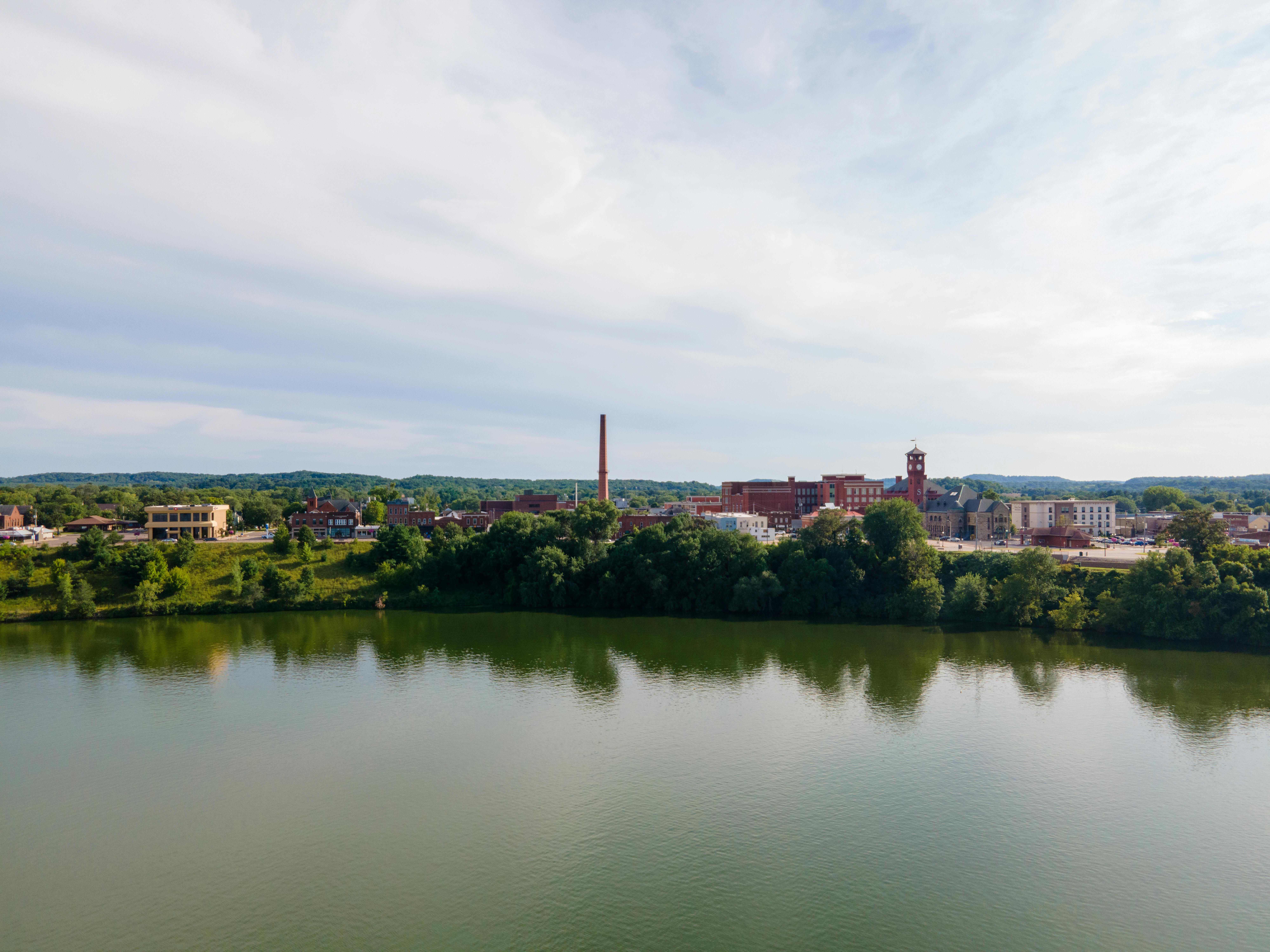
Living on the St. Croix River: What Buyers Need to Know Before They Purchase
The St. Croix is one of the most beautiful stretches of river in the Midwest. It's also one of the most regulated. Here's what no generic real estate website will tell you — but you need to know.Every year, buyers fall in love with the idea of a home on the St. Croix River — the morning mist off the water, the eagles overhead, the kayak launched from your own dock. Then they start asking questions, and they discover that riverfront ownership here is different from anywhere else they've looked. Different in ways that matter enormously before you sign a purchase agreement.
This isn't meant to scare you away. It's meant to prepare you. Because the buyers who understand these rules before they shop are the ones who close confidently — and never have surprises three months in.
This Is Federal Land. Sort Of.
The St. Croix River is protected under the National Wild and Scenic Rivers Act of 1968, making it one of only a handful of rivers in the country under active federal management. The National Park Service (NPS) administers the St. Croix National Scenic Riverway — 252 miles from the Namekagon headwaters in Wisconsin to the Mississippi confluence near Prescott, WI.What this means practically: the NPS has review authority over what happens along the shoreline. A county permit is not always enough. If you want to build a deck toward the water, clear vegetation near the bank, add a boathouse, or reconfigure a dock, you may need NPS approval — even if the county has already said yes. Federal authority can override local.
💡 Always check with the NPS St. Croix District office AND your county zoning office before assuming any modification is permitted. These are two separate approvals.
Minnesota Rules and Wisconsin Rules Are Not the Same
The state line runs down the middle of the river. If your home is on the Minnesota bank, you're governed by the Minnesota DNR's shoreland rules. On the Wisconsin side, Wisconsin DNR rules apply — administered at the county level by Washington, St. Croix, Pierce, or Polk counties.Both states require a minimum 75-foot structure setback from the Ordinary High Water Mark (OHWM). Both restrict impervious surface in the shoreland zone. But the details differ — Wisconsin has a more permissive "grandfather clause" system for pre-existing structures; Minnesota is stricter about bluffline setbacks and stormwater management.
Cross-state buyers (a MN resident buying a WI river home, or vice versa) also face tax and legal complexity. Property taxes, homestead exemptions, title/closing procedures, and even income tax treatment can vary based on which side of the river your home sits on. Make sure your agent has experience operating in both states — not just one.
Flooding: Ask Before You Fall in Love
The St. Croix floods. It flooded significantly in 1993, 2001, and again in 2019. Spring snowmelt routinely raises the river several feet above normal levels, and a wet spring can push water into low-lying homes, garages, and boathouses.Many riverfront parcels fall within FEMA's Zone AE — the 100-year floodplain — where flood insurance is mandatory for federally-backed mortgages. Since FEMA's Risk Rating 2.0 overhaul in 2021, flood insurance premiums have increased substantially on properties with higher actual risk. A property that was insured for $800/year a few years ago may now cost $2,500–$5,000 annually.
⚠️ Always request the current FEMA FIRM map panel for any parcel you're considering — not just the listing's flood zone disclosure field. Also ask for the Elevation Certificate and the seller's most recent flood insurance premium.
The floodplain is also larger than most buyers expect. A home set 150 feet back from the riverbank may still be in Zone AE if the terrain is low. Don't assume distance equals safety.Want a Dock? Here's What You're Actually Getting Into
Installing or modifying a dock on the St. Croix involves up to four separate permitting agencies: the NPS, the Army Corps of Engineers, the state DNR, and your county. Each has its own application, timeline, and review criteria.More importantly: many dock permits are property-specific and non-transferable. When a seller says "dock included," that doesn't always mean the permit transfers to you. If the seller made unpermitted modifications to the dock — extended it, widened it, added a lift — you may be inheriting a compliance problem.
Before closing on any riverfront property, verify: Is there an existing permitted dock? Who holds the permit — the owner or the property? What agency issued it? Have any modifications been made since the original permit? Your agent should be able to help you get these answers before inspection, not after.
What Cross-State Ownership Actually Looks Like Day-to-Day
If you're a Minnesota resident buying on the Wisconsin side (common for buyers coming from the Twin Cities west metro and looking for better value), here's what to expect: you'll pay Wisconsin property taxes, you won't qualify for MN homestead, your closing will involve a Wisconsin attorney (not a MN title company), and your home loan may require lenders familiar with WI-specific requirements.None of this is a dealbreaker — the Wisconsin side of the river offers outstanding value, especially in communities like Hudson, Prescott, and along the lower river. But go in with eyes open.
And Yet — It's Worth It
The St. Croix Valley is protected in ways that most waterfront real estate simply isn't. Federal status means no industrial development, no marina sprawl, no overdeveloped shorelines. The water quality is excellent. Eagles, herons, and otters are part of daily life. Communities like Stillwater, Marine on St. Croix, Hudson, and Osceola offer genuine character that can't be manufactured.Buyers who do their homework — who understand the permits, the floodplains, the cross-state nuances — close on river homes and never look back. The key is knowing what you're buying before you buy it.
Ready to start your search? Our team works exclusively in the St. Croix Valley, in both Minnesota and Wisconsin. We know these rules — and we'll make sure you do too before you make an offer.

Amy Dills
| Brick & Banister Real Estate Co. | PLACE
or another way